Let’s be honest: Flying International First Class is comfortable. You have a lie-flat bed, vintage champagne, and a dedicated check-in counter. For many, it is the pinnacle of travel.
But for the ultra-high-net-worth individual or the time-pressed executive, First Class has a fatal flaw: It is still public transportation.
Even in seat 1A, you are subject to the airline’s schedule, not yours. You still endure TSA security lines, walk through crowded terminals, and risk lost luggage. And most importantly, you fly to where the airline wants to go, not necessarily where you need to be.
The price gap between First Class and Private Aviation is undeniable. But so is the value gap. Here is why making the switch isn’t just an upgrade in luxury it’s an upgrade in logic.
1. The Currency of Time: Saving 3 Hours Per Flight
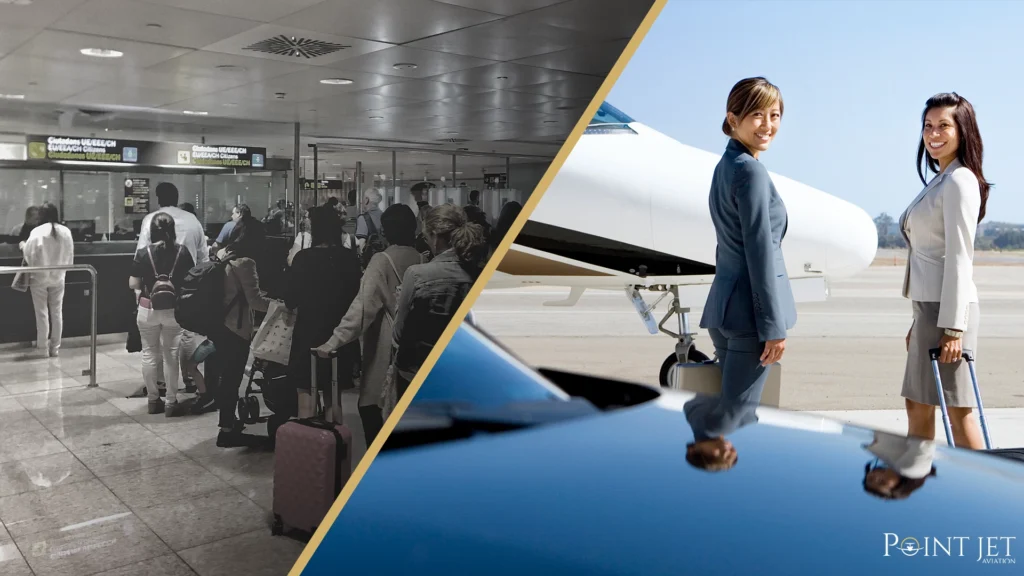
The biggest hidden cost of commercial flying is time. Even in First Class, you must arrive at the airport 2 hours before an international flight. You wait for boarding. You wait for the slot. You wait for baggage claim.
Private aviation deletes these waiting periods.
When you fly with Point Jet, you arrive at the FBO (Private Terminal) 15 minutes before departure. You drive your car directly up to the aircraft steps. No security queues, no shoes off, no liquids out. You are wheels-up while the First Class passenger is still looking for a parking spot. On a round trip, this saves an average of 4 to 6 hours. What is that time worth to you?
2. Access: 5,000 Airports vs. 500
Commercial airlines operate on a “Hub and Spoke” model. They fly big planes into big airports. If your factory, meeting, or resort is in a remote location, you still face a 3-hour drive or a connecting flight after you land.
Private jets fly Point-to-Point.
Commercial airliners can access roughly 500 major airports globally. Private jets can access over 5,000. We can land you in St. Moritz instead of Zurich, or directly in Cannes instead of Nice. We bring you closer to your final destination, turning a day of travel into a morning commute.
3. The Flying Boardroom: True Privacy
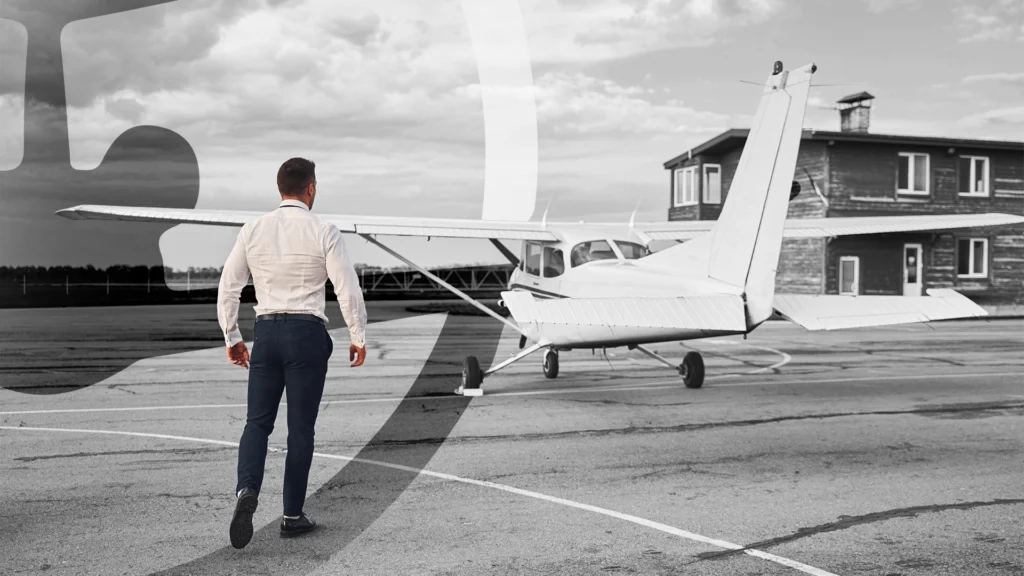
In First Class, you have a privacy divider, but you are not alone. You cannot discuss a confidential merger, sensitive legal strategy, or review unreleased prototypes without the risk of a neighbor glancing at your screen or overhearing your conversation.
A private jet is a secure vault in the sky. It is your flying boardroom. You can hold high-stakes meetings, sign documents, and speak freely with your team. Productivity doesn’t pause when you take off; it accelerates.
4. You Own the Schedule
Commercial airlines sell you a ticket for a specific time. If your meeting runs late, you miss the flight. If the airline cancels the flight, you are stranded.
In private aviation, the aircraft waits for you.
Meeting ran 30 minutes over? No problem. Need to change your destination mid-air because of a sudden opportunity? Consider it done. Private aviation bends the world to your schedule, eliminating the stress of “catching” a plane.
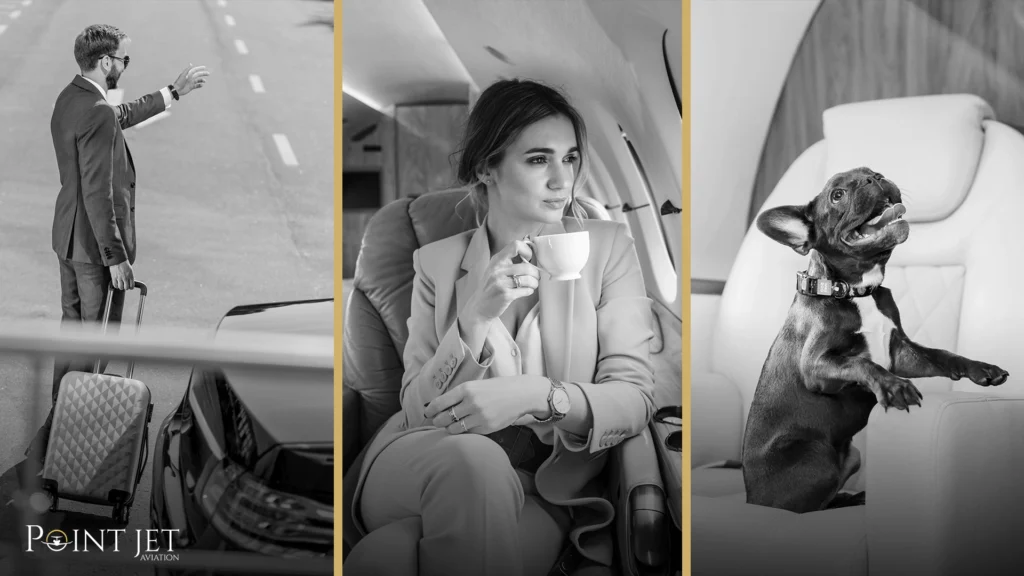
5. The “Soft” Luxuries: Pets and Luggage
For many, this is the deciding factor. In commercial travel, your beloved pet travels in the cargo hold—a stressful and dangerous experience. On a private jet, your dog sits next to you on the sofa.
And luggage? There are no weight limits, no lost bags, and no waiting at the carousel. Whether it’s golf clubs, skis, or product samples, if it fits in the hold, it flies with you.
Conclusion: An Investment, Not an Expense
If you view travel solely as “getting from A to B,” First Class is sufficient. But if you view travel as a tool for business growth, personal freedom, and family time, then private aviation has no competitor.
Yes, the cost is higher. But for those who value their time as their most limited asset, the return on investment is priceless.