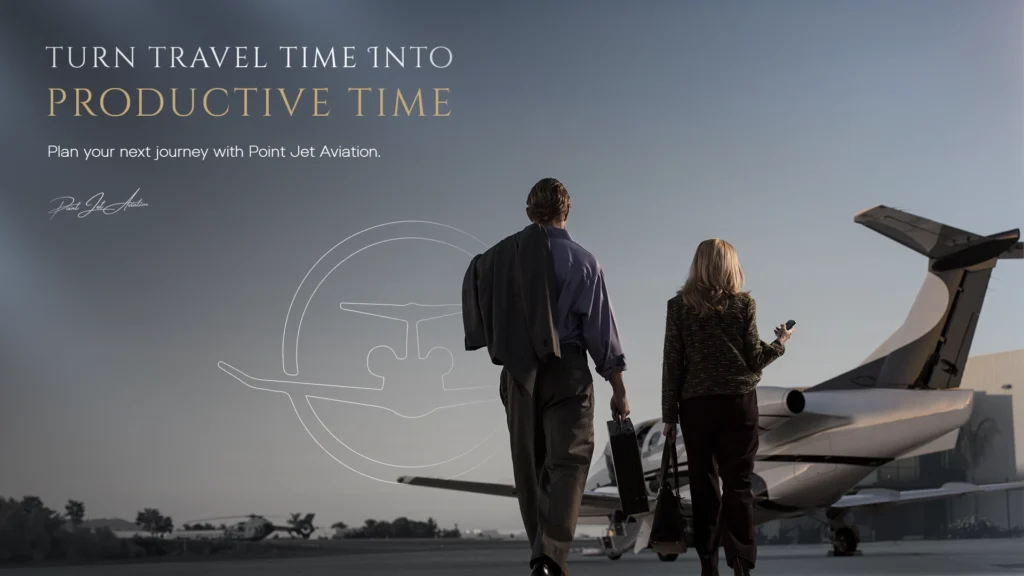
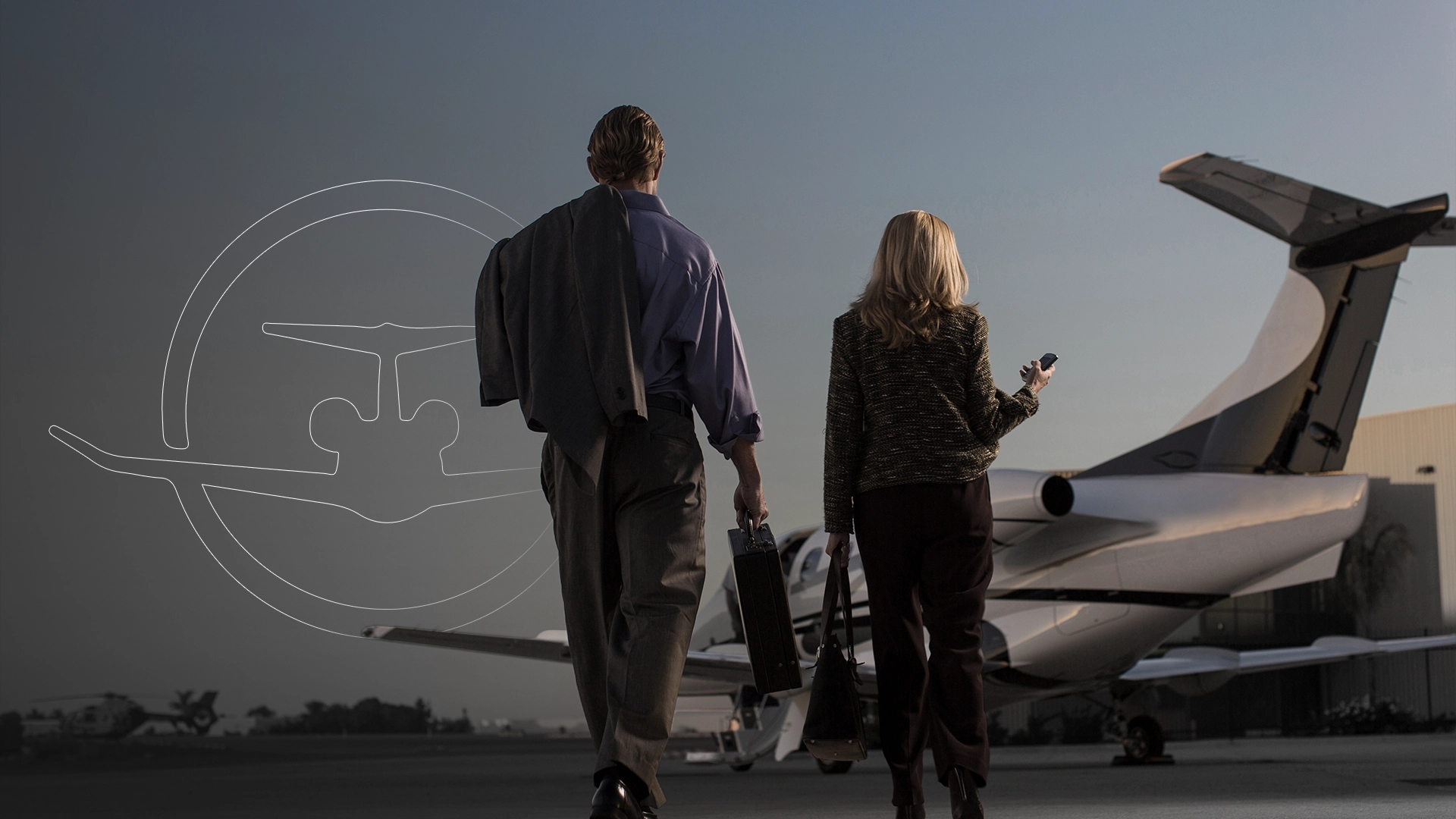
Business travel is often viewed as a necessary part of growth. Meetings, site visits, negotiations, and events require professionals to move quickly between cities and countries. Yet for many executives, the journey itself can become a source of lost time.
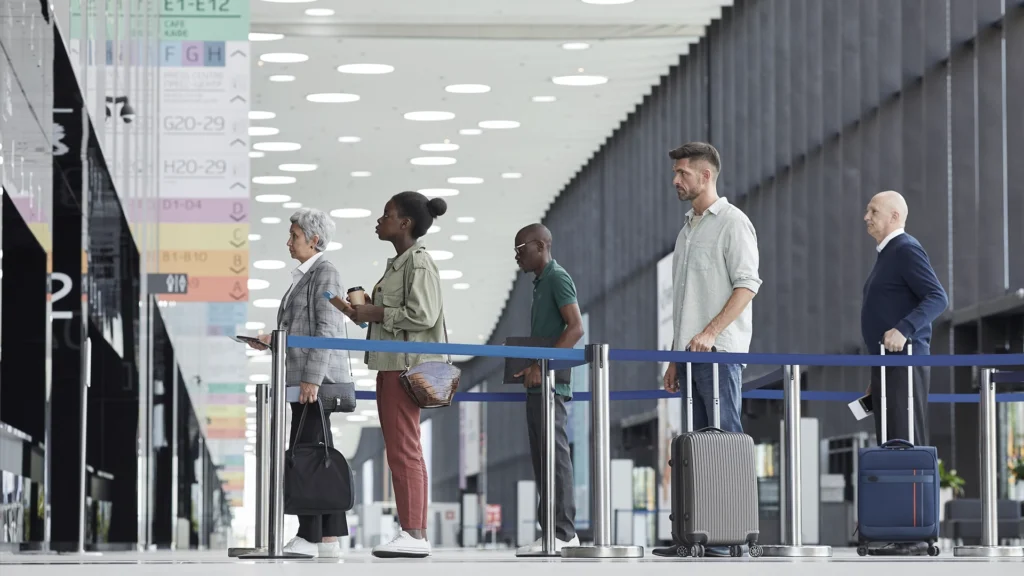
Long airport procedures, flight delays, crowded terminals, and inflexible schedules often reduce the efficiency of a business trip before it even begins.
Private aviation offers a different approach. Beyond comfort and convenience, it creates an environment where productivity can continue throughout the entire journey.
Time Spent Traveling Is Time That Can Be Reclaimed
One of the biggest challenges of commercial travel is the amount of time spent waiting.
From early airport arrivals to security lines, boarding procedures, layovers, and baggage collection, a significant portion of the day can be consumed by processes unrelated to the actual flight.
Private aviation minimizes these interruptions. Travelers can depart closer to their scheduled flight time, access private terminals, and move efficiently through the departure process.
As a result, valuable hours remain available for meetings, decision-making, and strategic work.
The Ability to Work Without Interruption
Modern professionals are expected to remain connected regardless of location.
However, commercial flights rarely provide an ideal working environment. Noise, limited space, and constant interruptions can make focused work difficult.
A private jet cabin offers a more controlled setting. Passengers can review presentations, conduct discussions, prepare for negotiations, or simply focus on important tasks without distraction.
Instead of losing several hours in transit, travelers can use that time productively.

Flexible Schedules Create Better Business Opportunities
Business opportunities do not always fit within commercial airline timetables.
Unexpected meetings, last-minute schedule changes, and multi-city itineraries often require flexibility that traditional travel cannot easily provide.
Private aviation allows flights to be planned around business priorities rather than airline schedules. This flexibility helps professionals respond faster, adapt to changing circumstances, and maximize the value of each trip.
In many cases, the ability to move at the right moment can be more valuable than the journey itself.
Reducing Travel Fatigue
Productivity is not only about working during a flight. It is also about arriving prepared.
Frequent travelers know that crowded airports, long connections, and travel-related stress can reduce focus and energy levels.
A more efficient travel experience helps passengers arrive rested and ready to perform. Whether attending a board meeting, meeting clients, or speaking at an event, travelers can dedicate their energy to the objective rather than the journey.
Multiple Destinations, One Efficient Day
For executives managing operations across different locations, visiting multiple destinations within a short period can be essential.
Private aviation provides access to a wider range of airports and allows more direct routing. This creates opportunities to complete multiple meetings or site visits within a single day.
The result is not simply faster travel. It is a more effective use of time and resources.

Productivity Beyond the Flight
The value of private aviation extends beyond transportation.
It creates a travel environment where time is protected, schedules remain flexible, and business priorities stay at the center of every journey.
For professionals who view time as one of their most important assets, private aviation becomes more than a travel solution. It becomes a strategic advantage.
Final Thoughts
Productivity is often measured by how effectively time is used.
Private aviation supports this goal by reducing unnecessary delays, enabling uninterrupted work, providing greater flexibility, and helping travelers arrive prepared for what matters most.
In a world where every hour counts, the ability to transform travel time into productive time can make a meaningful difference.